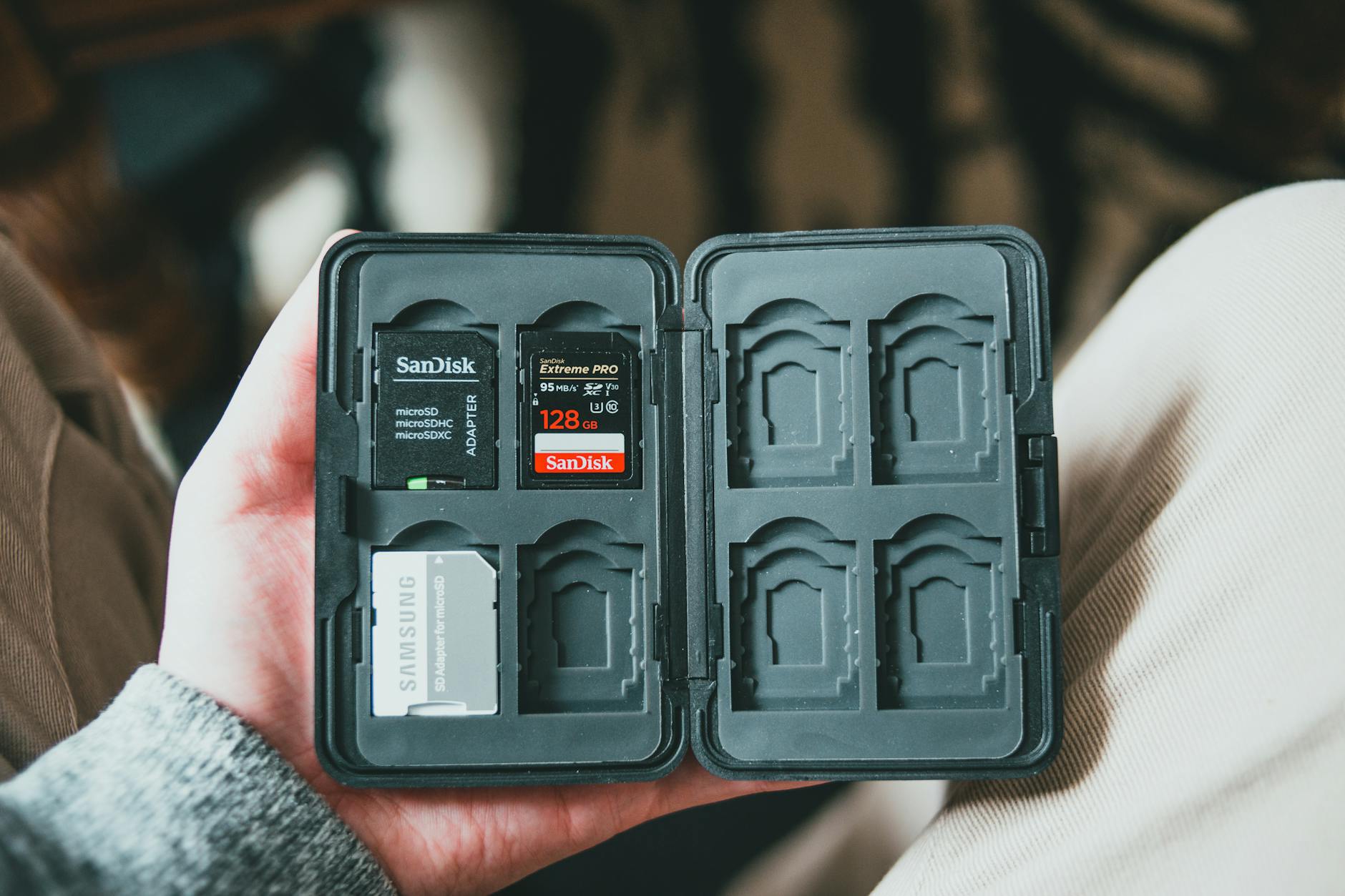
A sharp drop in DRAM and NAND prices could arrive in the second half of 2027 — not because demand is cooling, but because Chinese factories are about to flood the market.
The short version: Kyung-Hyeon Kye, former president of Samsung Electronics’ semiconductor division, told the National Academy of Engineering in Seoul that memory prices could start falling in H2 2027 or early 2028. The cause: a “surge” in Chinese manufacturing capacity. He also warned that if Big Tech’s AI investments stop delivering returns, demand could shrink after 2028 — leading to a possible memory glut.
The Prediction – Who Said What, and Why It Matters
On 19 May 2026, PC Gamer reported that Kye made the remarks at a session of the National Academy of Engineering (via Wccftech). His key claim: “Chinese companies are aggressively expanding their production capacity,” and the result will be a “surge” in memory supply in the second half of 2027 or early 2028. This is not a vague hope — Kye ran Samsung’s semiconductor division; his forecasts carry weight in procurement and investment circles.
Current prices support the sense of crisis. PC memory kits are now three to four times more expensive than a year ago (PC Gamer, 19 May 2026). That price spike is the reason this prediction matters: if supply truly surges, the cost of building a PC could drop sharply within 18 months.

Why Chinese Capacity Is the Hidden Variable
Most analysis of the memory crisis focuses on the AI boom — data centers buying every HBM and DDR5 chip they can get. Kye’s insight shifts the lens. While non-Chinese manufacturers (Samsung, SK Hynix, Micron) are also adding capacity, the scale of China’s expansion is the variable most Western analysts underweight. Chinese DRAM and NAND fabs, backed by state subsidies, are ramping faster than market models predicted.
Hard-stop verdict: If Chinese capacity comes online as Kye expects, the supply curve breaks upward regardless of demand. Price recovery after 2025 was partly artificial — controlled output from major players. China’s new fabs will make that coordination impossible.

Will the AI Bubble Pop? The After‑2028 Demand Risk
Kye added a second, more unsettling note: “If the return on investment for Big Tech decreases relative to capital investment, there is a possibility of reduced investment.” He called on Korea to prepare for a “post-super boom.” This is the demand-side risk. The AI industry has spent enormous sums on memory without a clear revenue model for many deployments. If the spending slows, the newly expanded supply — Chinese and non-Chinese — would hit a demand wall.
One caveat: Kye’s timeline for the supply surge (H2 2027) and the demand risk (after 2028) are separate but connected. A glut could be milder if AI demand stays strong. But the combination of a Chinese supply wave and a plateauing AI boom is the scenario that keeps procurement managers awake.

What This Means for PC Builders Right Now
If you’re building a gaming or workstation PC today, you’re paying roughly 3–4x the 2023 price for RAM. Kye’s prediction suggests waiting until late 2027 could save you significant money — but that’s a long wait. Here’s a decision shortcut:
- Need a PC now? Buy only the memory you need today. Don’t “future-proof” with extra capacity at inflated prices.
- Can wait six months? Monitor Chinese capacity announcements — if YMTC, CXMT, or other fabs hit volume by Q2 2027, prices may start easing six months earlier than Kye’s timeline.
- Speculative purchase? Skip. The glut scenario makes a price crash more likely than a continued rise after 2027.

Frequently Asked Questions
Will memory prices drop in 2027?
According to former Samsung semiconductor president Kyung-Hyeon Kye, yes — prices could begin falling in the second half of 2027 due to a surge in Chinese manufacturing capacity.
Should I delay buying a new PC to save on memory?
If you can wait until late 2027 or early 2028, you will likely pay significantly less for the same amount of RAM. However, cryptocurrency and AI demand remains unpredictable — the prediction is grounded but not guaranteed.
Could the memory crisis turn into a glut?
Yes. Kye warned that if AI investment returns disappoint, demand could decline after 2028 — at the same time that new Chinese fabs are producing at high volume. That mismatch would create a glut, similar to the 2019 DRAM oversupply.
Is this prediction reliable?
Kye is a former top executive with direct visibility into capital expenditure plans. The Chinese fab expansion is already observable through equipment orders and construction permits. The prediction carries above-average credibility for a market forecast of this nature.