Assassin’s Creed Black Flag Resynced is the modern architectural update to Ubisoft’s 2013 pirate classic, designed to strip away obsolete launcher dependencies and optimize the game for contemporary hardware like the Steam Deck. If you are returning to the Caribbean, you are here for the naval combat loop, which remains the most frictionless, arcade-perfect ship-to-ship combat in the genre. Ignore the aging land-based tailing missions. Your primary goal is upgrading your ship, the Jackdaw, and dominating the naval economy.
The Real Economy of the Caribbean
Most players approach Black Flag assuming it is a stealth-action game. It isn’t. Underneath the hooded assassinations lies a ruthless, mathematically rigid resource management engine. Gold is a trap. You can amass hundreds of thousands of reales by selling sugar and rum, but currency alone will not buy you survival in the southern regions of the map.
The true bottleneck in Black Flag is metal.
Every meaningful upgrade to the Jackdaw—from reinforced hull armor to elite broadside cannons—requires massive quantities of metal and wood. You cannot buy these materials. You have to steal them. This creates the game's core gameplay loop: scout a ship with your spyglass, calculate if the metal onboard justifies the hull damage you will take in the fight, disable the vessel, and board it.
Boarding introduces a secondary layer of risk calculation. Sinking a ship outright yields only half its cargo. Boarding it yields the full amount, plus a critical choice at the end of the skirmish. You can use the captured ship to repair the Jackdaw, lower your Wanted level, or send the vessel to Kenway's Fleet.
This Wanted system is where the game’s asymmetry shines. As you plunder, pirate hunter ships will spawn and track you. A low-level hunter is a nuisance. A maximum-level hunter is a heavily armored Man-o'-War that will vaporize an under-leveled Jackdaw in two volleys. But here is the secret: high-level hunters carry massive stockpiles of metal. Once you upgrade your heavy shot and mortar capacity, you should intentionally maximize your Wanted level. Farming pirate hunters transforms from a punishment mechanic into the most efficient resource-generation engine in the game. You trade the safety of the open ocean for a high-yield, continuous supply of upgrade materials.

Where to Focus Your First Ten Hours
The map is littered with glowing icons. Ignore almost all of them. The early game throws a barrage of sea shanties, Animus fragments, and treasure chests at you. Chasing these before your ship is properly outfitted is a massive waste of time.
Your first ten hours should be spent mainline rushing the story sequence until you unlock the diving bell. The diving bell grants access to underwater shipwrecks, which hold the elite blueprints required for the final tiers of the Jackdaw’s upgrades. Without those blueprints, your progression hard-stops, no matter how much metal you have hoarded.
Once the ocean opens up, prioritize upgrading your broadside cannons and heavy shot. Do not balance your upgrades evenly. Offensive output scales exponentially better than defensive hull plating. A fully upgraded heavy shot fired at point-blank range will instantly cripple most brigs and frigates, bypassing the need for a prolonged, damage-trading broadside duel. The faster you disable a ship, the less hull armor you actually need.
On land, Edward Kenway’s progression is entirely separate from the ship. You craft his health and ammo pouches using animal skins. Do not buy skins from general stores. The markup is absurd. Instead, engage with the harpooning mini-game. Hunting bull sharks and humpback whales provides the specific bones and skins required for your top-tier pistol holsters and dart pouches.
Speaking of darts: upgrade your berserk and sleep darts immediately. The melee combat in Black Flag shows its age, relying on clunky counter-kill animations that bog down the pacing. Berserk darts completely break the land economy. Hit a brute enemy with one, and the entire garrison will fight him, clearing the outpost for you while you stay hidden in the brush. It is an unfair, highly efficient shortcut that saves you hours of tedious sword fighting.
The Architecture of a Resync
Why does a game from 2013 need a "Resynced" edition? The answer lies in the decay of PC gaming infrastructure. The original PC release of Black Flag was notorious for bizarre physics bugs tied to modern frame rates, stuttering issues on multi-core processors, and a heavy reliance on Ubisoft's legacy online services.
Decisions made a decade ago—like tying the Kenway's Fleet minigame to a now-defunct mobile companion app and server-side checks—created massive friction for players trying to revisit the game today. Resynced exists to bypass that digital rot. It acts as a preservation bridge.
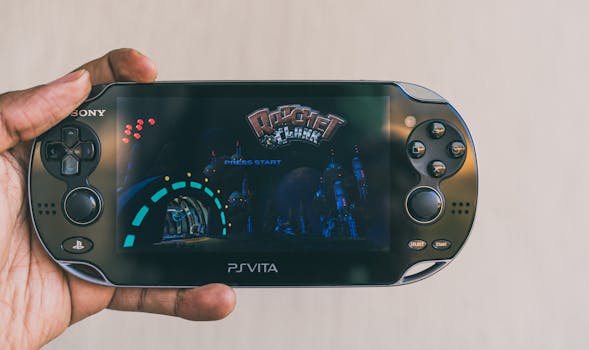
When you boot this version, you are benefiting from under-the-hood optimization that aligns the aging AnvilNext engine with modern API standards. This matters immensely for portable platforms. The Steam Deck and similar handhelds struggle with older titles that constantly ping dead servers or fail to recognize modern controller inputs. By untangling the single-player pirate simulation from the ghost of 2013's "always-online" mandates, the game finally runs the way you remember it running, rather than how it actually ran.
This architectural cleanup also highlights a stark contrast with modern live-service pirate games like Skull and Bones or Sea of Thieves. Those titles treat sailing as a multiplayer, wind-physics simulation requiring constant crew coordination. Black Flag treats sailing as an arcade power fantasy. The wind rarely punishes you. You can stop a galleon on a dime. You command the crew with a single button press. The game does not want you managing rigging; it wants you firing mortars into a Spanish armada while your crew sings "Leave Her Johnny." The Resynced edition simply ensures that specific, highly curated fantasy remains accessible without requiring fan-made patches or network workarounds.

The Final Verdict
Stop treating Black Flag like an assassin simulator. The hood and hidden blades are set dressing for a ruthless, highly satisfying pirate management game. Rush the story to unlock the diving bell, ignore the land-based collectibles, and funnel every piece of stolen metal into your heavy shot and mortars. Once your ship can survive the southern seas, intentionally max out your Wanted level and let the resources sail directly to you.



