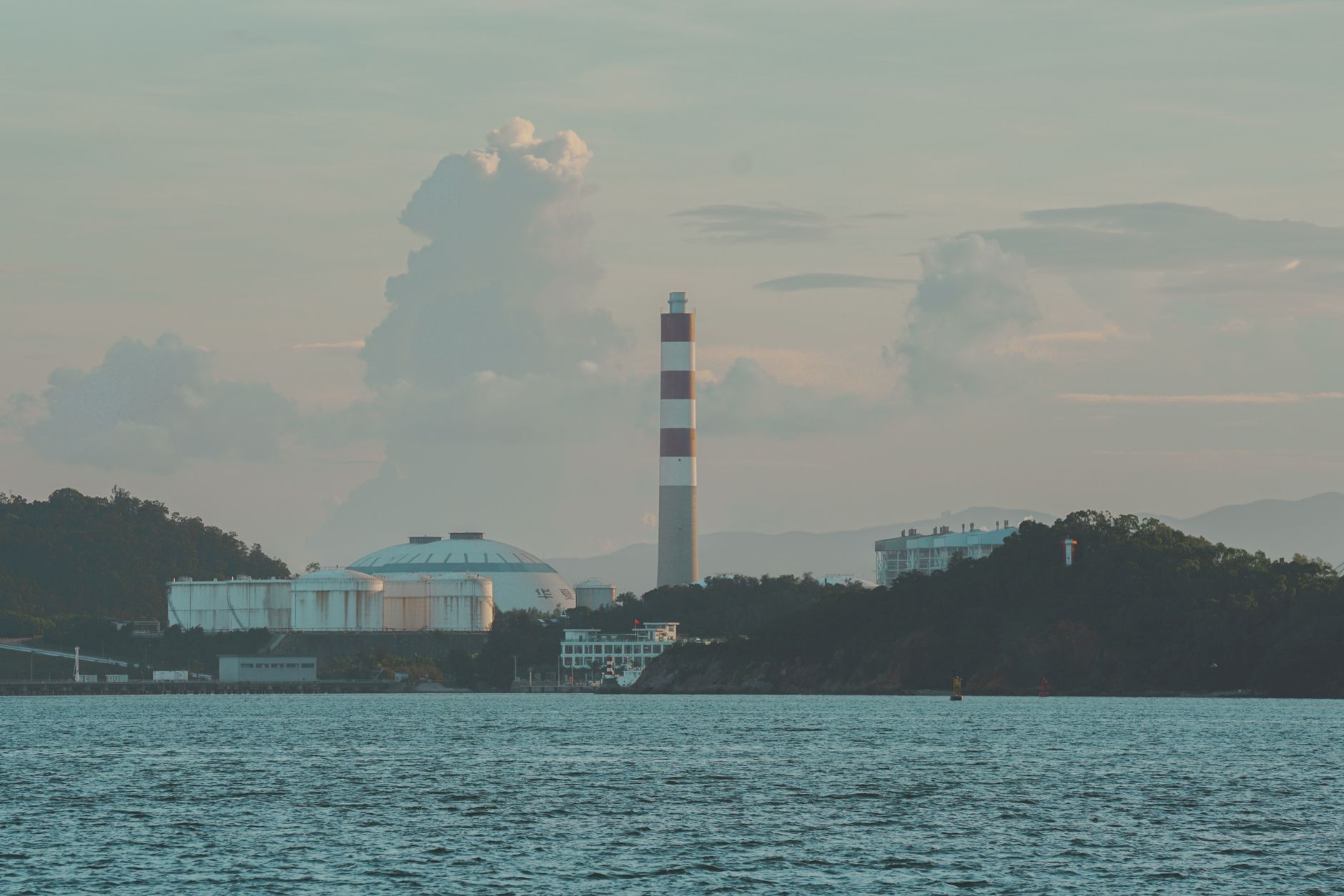
Axum Bacterial Culture is the gatekeeping material for Metal Farms in Subnautica 2, and the real challenge isn't finding it—it's accepting that your Tadpole submarine will be operating at its absolute structural limit to get there. You'll need the Depth Module first (grab it from the cave near Ruby's second blackbox signal), then make a 450-meter dive to a glowing green pool roughly 870 meters northeast of the Alien Ruins Research Base. The culture sits in the Metal Farms cavern, guarded by a leviathan and aggressive fauna. Bring a Repair Tool and healing. That's the run. Everything else is deciding whether this grind is worth your time right now.
The Hidden Cost Nobody Talks About
Here's the assumption worth puncturing: Metal Farms sound like passive income, so players rush for them. They aren't passive. They're a relief valve for a specific mid-game bottleneck, and if you chase them too early, you stall harder than if you'd just made another manual metal run.
The Metal Farm duplicates valuable metals. That's the pitch. What the game doesn't foreground is the opportunity cost of the Depth Module expedition itself. You're diving to 450 meters in a vehicle that, per the source documentation, is hitting its maximum operational depth even with the upgrade installed. One leviathan strike, one misjudged turn in the purple tube corridor past the Angel Comb, and you're doing the entire precursor-site approach again. The Repair Tool isn't optional insurance—it's mandatory because hull integrity at that depth degrades fast enough that environmental pressure alone becomes a threat vector.
The bacterial culture itself is well-hidden in the central pool, but the real time sink is the preparation asymmetry. Players who arrive without full Tadpole health, without extra oxygen tanks for emergency exit swimming, and without clearing nearby aggressive fish first report—anecdotally, based on community patterns—much higher failure rates. The culture isn't rare once you're there. Multiple samples exist in that single pool. The rarity is surviving the trip consistently.
Consider the actual metal economy you're trying to fix. How many manual trips are you making? If you're still in the early biomes where Titanium and Copper are 200 meters from your base, the Metal Farm saves you maybe ten minutes per play session. The Axum Bacterial Culture quest line costs you two to three hours of focused, high-risk gameplay. The break-even point is further out than it feels. Conversely, if you're already deep enough that Gold and Silver are your constraints, the farm becomes transformative because those metals have no shallow alternative sources.
The hidden variable: your existing base depth. Metal Farms placed deep duplicate faster or produce higher-tier outputs depending on proximity to heat vents—this is where community testing suggests placement matters significantly. A farm at 400 meters performs differently than one at 150. The game doesn't explain this in the build menu.
The Route, Decoded: What the Video Shows vs. What You'll Actually Do
The source describes a specific approach path: east from Alien Ruins Research Base, drop the ledge, continue east over the alien structure on the sea floor, follow the big purple tube (described memorably as "crab leg" shaped) toward the Angel Comb, pass underneath the Alien Power Plant. This sounds linear. It isn't.
The purple tube is a landmark, not a road. In Subnautica's visual language, bright purple means "plot-relevant alien architecture," which your brain correctly reads as "safe-ish." But the tube curves. The Angel Comb is a distinct coral formation that marks the transition into leviathan patrol territory. Players who hug the tube too closely report—again, anecdotally—more frequent leviathan aggro because the patrol path overlaps with the tube's inner curve. The safer line is wider, more eastern, accepting slightly worse visibility for better clearance from the patrol loop.
The "glowing green pool" in the Metal Farms cavern is visually unmistakable. Green bioluminescence in Subnautica 2 consistently signals bacterial or microbial life (consistent with the first game's color coding). But the pool isn't the only green glow in that cavern. Secondary pools exist. They're traps—deeper dead-ends with aggressive fish spawns and no harvestable culture. The central pool is the largest, positioned where the cavern opens rather than pinches.
Your Tadpole will be at its depth ceiling. This creates a psychological pressure: you can't just go up if things go wrong. You have to navigate horizontally first, then ascend. Many players panic-ascend, hit the ceiling, take pressure damage, and then get caught by the leviathan in the recovery animation. The correct emergency protocol is lateral movement toward the cavern entrance, then controlled ascent using terrain for cover.
| Decision Point | Common Mistake | Better Play |
|---|---|---|
| Depth Module timing | Grabbing it immediately when available | Wait until you also have Tadpole hull reinforcement and Repair Tool |
| Approach vector | Hugging the purple tube | Wide eastern arc, accepting visibility trade-off |
| Pool identification | First green glow | Central, largest pool in open cavern area |
| Emergency exit | Panic vertical ascent | Lateral to entrance first, then controlled climb |
Should You Even Be Here? A Targeting Framework
New players: you're not ready. The Depth Module requires progression through Ruby's storyline, which itself requires significant scanning and base-building. If you're searching "Axum Bacterial Culture" in your first ten hours, you're experiencing FOMO, not a real need. The metals you can currently access are sufficient for your tech level. The farm is a solution to a problem you don't have yet.
Returning players from Subnautica 1: your instincts are wrong in a specific way. The original game's Cyclops could dive deeper and take more punishment. The Tadpole is smaller, faster, and much more fragile at its limits. You cannot power through leviathan encounters the way you might have with a shielded Cyclops. Stealth and route planning matter more than equipment. The bacterial culture run is closer to a Reaper avoidance exercise in the original's early game than to late-game deep diving.
Mid-game players with established deep bases: this is your window, but check one thing first. Do you have the Alien Ruins Research Base marked? If you're navigating by biome feel alone, the 870-meter northeast vector is imprecise enough to send you into adjacent leviathan-heavy territory. The base is your essential waypoint. Without it, the "75 degrees northeast" heading becomes guesswork in 3D space.
The trade-off matrix looks like this:
| Your Situation | Prioritize Culture? | Alternative Focus |
|---|---|---|
| <15 hours, shallow base | No | Expand scanner range, build second outpost |
| 15-30 hours, struggling for Gold/Silver | Yes, carefully | Ensure Repair Tool + full hull first |
| 30+ hours, multiple deep trips completed | Yes, aggressively | Farm placement depth optimization |
| Post-story, completionist | Optional | Culture is renewable; one trip suffices |
What to Do Differently
Stop treating the Metal Farm as a must-have milestone. It's a specialization for players who've already committed to deep-base living, not a universal upgrade. The Axum Bacterial Culture run is Subnautica 2's way of asking: "Are you actually deep enough to need this?" Most players who fail the trip aren't under-equipped—they're early. Wait until the depth feels routine, then the culture harvest becomes a tense ten minutes instead of a two-hour ordeal.