Vita Mahjong, developed by Vita Studio, isn't competing with high-octane action games; it is quietly dominating the casual puzzle space by doing exactly one thing right: accessibility. With over 1.4 million ratings and a near-perfect 4.9-star average on the Apple App Store, this classic tile-matching game has captured a massive, underserved demographic. It proves that optimizing for low-friction relaxation—specifically for seniors and casual players—is a highly viable strategy in today's saturated mobile market.
The Current State of Vita Mahjong
The metrics surrounding Vita Mahjong highlight a game that has achieved massive scale through hyper-specific design. Available on the iPhone and iPad (though not yet verified for macOS), the game weighs in at 381.9 MB and is rated 4+ for ages. It dominates the Card category by converting traditional Mahjong Solitaire into a stress-free, single-player experience.
Currently, the game features time-limited community events. The "Frozen Sculpture Quest" challenges players to progress through icy, wintery layouts, while the "Butterfly Path" offers a more serene, nature-focused progression. These events act as primary engagement loops, keeping the 500,000-strong active player base returning daily without introducing the aggressive mechanics typical of mobile hits.

Why Vita Mahjong Works: Accessibility Over Innovation
Most mobile puzzle games attempt to reinvent the wheel with complex mechanics or competitive leaderboards. Vita Mahjong succeeds by subtracting friction. The game is explicitly marketed as a "Free Mahjong Solitaire & Brain Game for Seniors," and its design choices reflect this mandate.
Hardware and Accessibility
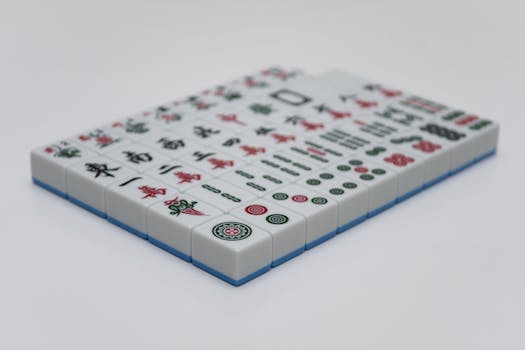
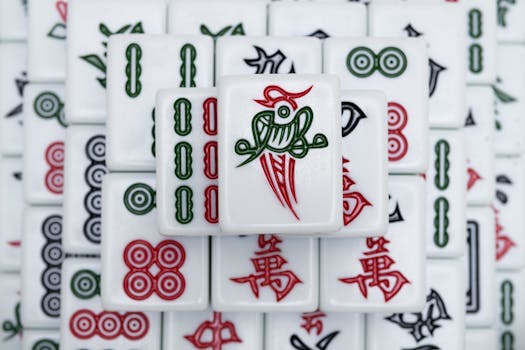
The primary driver of the game's 4.9 rating is its senior-friendly UX. Standard digital Mahjong games suffer from dense boards and small touch targets, requiring precise dexterity. Vita Studio bypassed this failure state by implementing large, clear tiles that reduce eye strain and prevent mistaps. Furthermore, the game functions entirely offline. By removing the Wi-Fi requirement, the game becomes a reliable companion for travel, hospital stays, or areas with poor connectivity—a crucial consideration for older demographics.
Cognitive Pacing
Vita Mahjong integrates a "Brain-Training Mode" and daily exercises designed to boost memory and logic. However, unlike competitive brain-training apps that use timers to induce stress, Vita Mahjong removes time limits entirely. Players can strategize to clear the board at their own pace. If they get stuck, the "Hints & Undo" system provides a safety net, ensuring that difficult layouts result in a solved puzzle rather than a frustrating game over.
Decision Archaeology: What Vita Mahjong Does Differently
To understand why Vita Mahjong wins, we have to look at why plausible alternatives lose. Standard Mahjong apps often fail this demographic due to three common design flaws:
- The Penalty Loop: Other games penalize players for using hints or taking too long. Vita Mahjong treats hints as a core accessibility feature, not a monetized punishment.
- The Connectivity Wall: Many modern puzzle games require constant internet to serve ads or sync progress. Vita Mahjong’s offline capability means the game never locks a player out due to a dropped signal.
- Visual Noise: Cluttered UI, pop-up ads, and flashing animations overwhelm older eyes. Vita Studio maintains a calming, uncluttered aesthetic.

Implications for Players and the Community
The game has fostered a highly engaged community, boasting over 50,000 members in its official Facebook group. For players, the value proposition is clear: cognitive maintenance without anxiety. The implications for the broader gaming community are more significant. Vita Mahjong proves that the "gamer" demographic extends far beyond the 18-35 bracket. Developers ignoring the 55+ demographic are leaving a loyal, highly engaged, and lucrative audience on the table.
What Remains Unknown
Despite its massive success, several aspects of Vita Mahjong's operation remain opaque. The exact revenue models and monetization balances of the "In-App Purchases" are not publicly detailed, though the game avoids the aggressive pay-to-win mechanics often found in free-to-play titles. Additionally, the "scientifically designed" claims regarding its brain-training capabilities are standard marketing language; independent clinical validation of Vita Mahjong specifically improving memory is not documented in the provided data.
What to Watch Next
Players and industry watchers should keep an eye on how Vita Studio scales this model. Key things to watch include:
- macOS Verification: Moving beyond iPad to a verified macOS app would expand accessibility for desktop and laptop users.
- Event Cadence: How the studio handles the transition from seasonal events like the "Frozen Sculpture Quest" will dictate long-term retention.
- Studio Expansion: Whether Vita Studio applies this senior-friendly, low-friction design philosophy to other classic game genres (like Card games, given their App Store categorization).
Frequently Asked Questions
Is Vita Mahjong actually free?
Yes, the game is free to download and play. It does contain In-App Purchases, but the core game, offline play, and daily puzzles are accessible without spending money.
Do I need the internet to play Vita Mahjong?
No. One of the game's primary features is full offline functionality. You can play the tile-matching puzzles anywhere without a Wi-Fi or cellular connection.
Is Vita Mahjong suitable for all ages?
While the game holds an Ages 4+ rating and can be played by anyone, its design—including large tiles, no time limits, and undo features—is specifically optimized for seniors, older adults, and casual players seeking a relaxing experience.