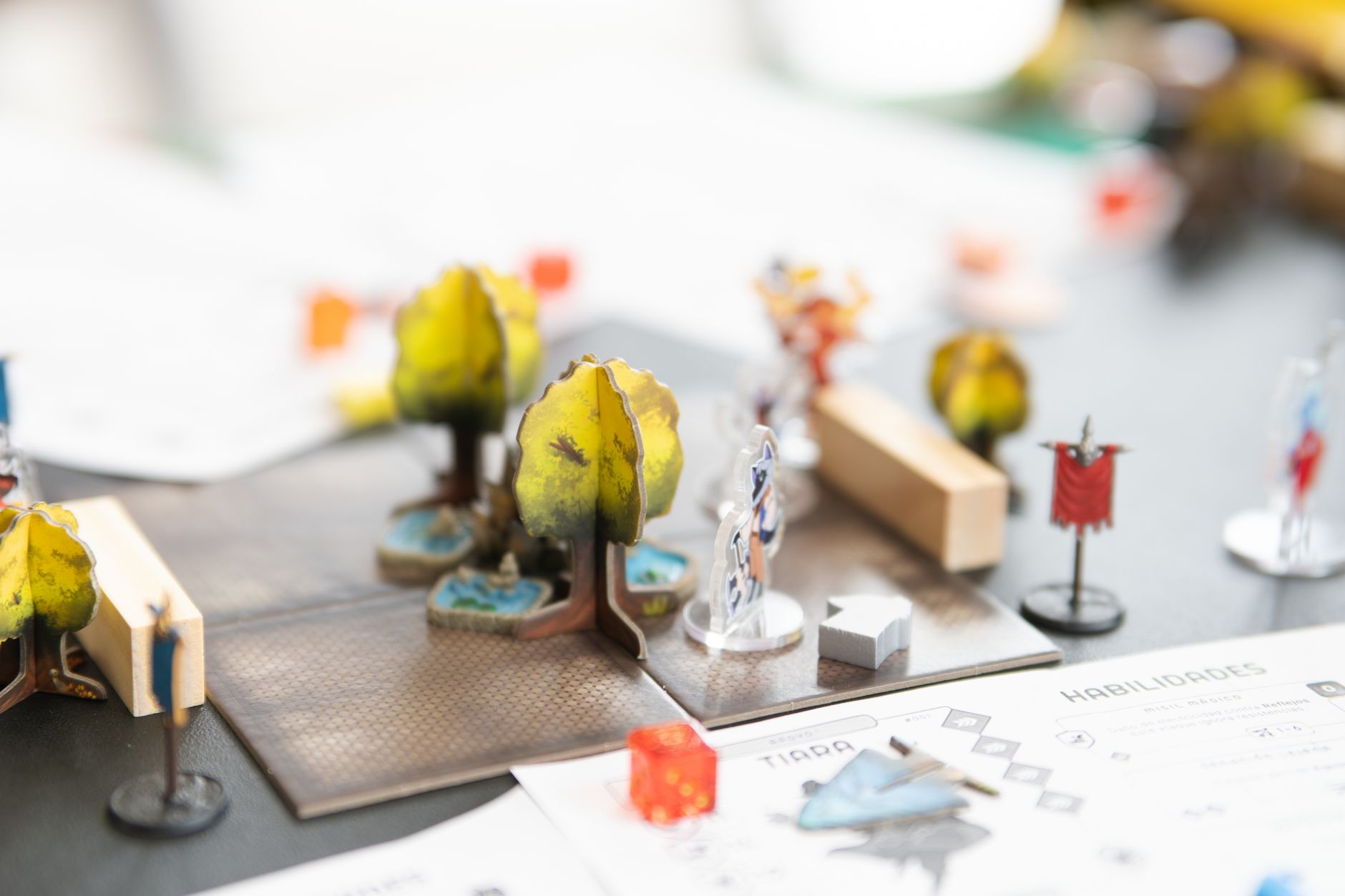
Knights of Pen and Paper 3 RPG launched quietly on Android via Google Play, published by Northica under license from Paradox Interactive. The game is live now, carries a 4.3-star rating from roughly 15,000 reviews, and has crossed 500,000 downloads. No verified PC or console release date exists. If you're waiting for a Steam version or wondering whether this matches the quality of the 2012 original, the short answer is: it's a mobile-first release with retro pixel art and turn-based combat, but the monetization structure and platform limitations deserve scrutiny before you install.
The Anti-Consensus Reality: Mobile-First Doesn't Mean Mobile-Only, But It Might As Well
Most players assume a series with Knights of Pen and Paper's PC heritage would launch simultaneously across platforms, or at least prioritize desktop. That assumption is wrong here. The Google Play listing confirms Android exclusivity for now, with no mention of iOS, Steam, or console versions. Northica's licensing deal with Paradox Interactive—noted in the fine print—suggests this is a secondary publisher handling a specific platform port rather than a flagship Paradox release.
The 4.3-star rating sounds healthy until you parse the distribution. With 15.1K reviews and 500K+ downloads, the review-to-download ratio sits around 3%. For comparison, engaged premium mobile RPGs often see 8–15% review rates. Low engagement can signal silent churn—players installing, playing briefly, and leaving without emotional investment strong enough to rate. The "Contains ads" and "In-app purchases (Includes Random Items)" labels compound this concern. Random-item purchases mean gacha-style mechanics or loot boxes, a significant departure from the upfront-payment model of the original Knights of Pen and Paper games.
Here's the trade-off most miss: the pixel art and turn-based combat are genuine hooks for retro RPG fans, but the monetization architecture shapes every design decision. Daily challenges, village expansion, and crafting systems—the features highlighted in the store description—are structurally convenient for engagement-driven revenue models. A crafting system in a premium RPG extends playtime through meaningful choice. In an ad-supported, IAP-driven mobile game, crafting often becomes a throttle point where progress slows unless you pay. Same UI, different psychology.
The 16-bit aesthetic and "nostalgic soundtrack" are authentic production choices, but they also reduce asset costs dramatically compared to 3D or high-resolution 2D art. This isn't inherently bad—Stardew Valley profits from similar efficiency—but it means the game's visual promise doesn't guarantee proportional budget allocation to writing, quest design, or combat balance.
What Actually Changed From Knights of Pen and Paper 2
The original games built their identity on a meta-premise: you played as players sitting at a tabletop RPG session, with the dungeon master narrating and the "real world" of the gaming table visible. The Google Play description for KOPP3 mentions none of this framing. "Create and grow your party of Heroes and legends" reads like generic fantasy RPG copy, not the self-aware tabletop simulation that defined the series.
This matters for two reasons. First, returning fans may find the soul of the franchise diluted or absent. Second, new players drawn by "Final Fantasy" and "Dragon Quest" comparisons in the description won't experience the unique selling point that justified the series' cult following. The store page positions KOPP3 as a nostalgic tribute rather than a continuation of a specific comedic and mechanical premise.
The village-building system appears expanded from prior entries. KOPP2 included a basic upgradeable base; KOPP3 promises "shops and upgrades" with crafting integration. Whether this represents meaningful depth or mobile-standard timer mechanics is unverifiable without hands-on play, but the description's emphasis on "daily challenges" suggests the latter. Daily systems serve retention metrics first, player satisfaction second. They're effective for publishers, exhausting for players with limited time.
Combat remains turn-based, but the description offers no specifics on party size, class variety, or strategic depth. The original allowed flexible party composition with hybrid classes; silence on this front suggests either preservation of that system or its simplification for mobile sessions. Without patch notes or detailed previews, players must discover this post-install.

The Hidden Cost Structure: What "Free" Actually Means
The Play Store lists KOPP3 as free with ads and in-app purchases including random items. This is not the business model of classic JRPGs it name-checks. Final Fantasy's mobile ports are upfront purchases. Dragon Quest's mobile versions are premium-priced with occasional sales. KOPP3's model aligns closer to gacha RPGs like Epic Seven or AFK Arena—games where progression and collection drive spending.
The random-items disclosure carries regulatory weight. Both Google and Apple require this label for loot box mechanics, and several jurisdictions now mandate probability disclosures. The store page shows no drop rates, suggesting either compliance through in-game menus only or operation in regions without strict requirements. For players, this means budgeting uncertainty. You cannot calculate the true cost of obtaining a specific item or character without community datamining or personal spending.
Ad integration creates another friction point. "Contains ads" in a turn-based RPG interrupts pacing in ways that action games with natural pauses avoid. Between every battle? After dungeon completions? During village management? The placement determines whether ads feel like acceptable trade-offs or persistent irritants. User reviews would clarify this, but the 3% review rate means most experiences go unrecorded.
The April 24, 2026 "Updated on" date in the snapshot is either a data error or future-dated content, since the current date precedes it. This suggests automated store page maintenance rather than active community management. For a live service game with daily challenges, visible developer engagement matters for long-term health.

What to Watch Before Committing Time or Money
No verified roadmap exists for platform expansion. Paradox Interactive's core business remains PC-first; licensed mobile spinoffs rarely receive desktop ports unless they overperform. If you're a PC-only player, KOPP3 currently offers nothing, and waiting carries no guarantee.
For Android players already interested, the decision shortcut is straightforward: install and play through the tutorial without linking a payment method. Evaluate whether the ad frequency and progression pacing feel fair through the first village expansion or crafting unlock. This typically represents 45–90 minutes of play. If throttle points appear before meaningful strategic depth emerges, the game's monetization has overridden its design.
Community resources remain thin. With 500K downloads but low review engagement, Reddit threads and Discord servers may offer more reliable sentiment analysis than store ratings. Search specifically for spending requirements to reach endgame content—this metric separates cosmetic-heavy from progression-heavy monetization.
The one confirmed upcoming event: the store page notes "Events & offers Ends in 4" days from the snapshot date, indicating limited-time promotions. Whether these are genuine bonuses or pressure tactics depends on offer structure, but their existence confirms live-service operation with rotating content.
Conclusion: Treat This as a Licensed Spinoff, Not a True Sequel
The mental model that serves you here is separation, not continuation. Knights of Pen and Paper 3 shares a setting and aesthetic with its predecessors but operates under different publishers, different platforms, and different economic incentives. Install it if you want a free mobile RPG with retro presentation and accept the trade-offs of ad support and random-item purchases. Skip it if you're waiting for a premium PC experience faithful to the original's tabletop-meta premise. The signal is clear: this is Northica's licensed mobile product, not Paradox's core franchise investment. Judge it accordingly.