News Summary
In a move that has sent shockwaves through the gaming industry, The Pokémon Company and Nintendo have officially announced Pokémon FireRed and LeafGreen for the Game Boy Advance. Slated for release in early 2004 in Japan, these titles are full-fledged remakes of the 1996 Game Boy classics, Pokémon Red and Pokémon Green. The announcement confirms months of rumors and marks a significant strategic pivot for the franchise, bridging the generational gap between the original 151 creatures and the modern third-generation mechanics introduced in Pokémon Ruby and Sapphire.
Deep Dive
While the Pokémon franchise is no stranger to releasing upgraded versions of its core games—such as Pokémon Yellow or Pokémon Crystal—FireRed and LeafGreen represent an entirely different beast. Rather than a simple color palette swap or minor narrative tweak, these are ground-up remakes built from the engine of Pokémon Ruby and Sapphire. This means the beloved Kanto region is being rendered in vibrant, detailed sprites, complete with the fluid animations and dynamic weather systems that modernized the series just two years ago.
The integration of third-generation mechanics into the first-generation world is the most crucial aspect of this release. Players will finally be able to explore Kanto while utilizing the updated Type chart, which balanced Psychic-types and introduced Dark and Steel types. Furthermore, the games will feature the Ability system and held items, fundamentally changing how classic Kanto Pokémon like Pikachu, Charizard, and Mewtwo are battled and trained.
A Seamless Connection to Hoenn
The primary functional purpose of FireRed and LeafGreen is to solve the "Pokémon Bank" problem created by the transition to the Game Boy Advance. When Ruby and Sapphire launched, they lacked the necessary hardware to communicate with the Game Boy Color, meaning players could not transfer their caught Pokémon from Gold, Silver, or Cristal to the new games. FireRed and LeafGreen rectify this by allowing players to capture the original 151 Pokémon natively, complete the Kanto Pokédex, and then trade them forward into the Hoenn region.
Modern QoL Updates
Despite being set in 1996, Kanto is getting a massive facelift in terms of quality of life. The games will introduce a tutorial system designed by Professor Oak, an interactive help menu accessible at any time to explain type matchups and status conditions, and the return of the "Teachy TV" item, which acts as an in-game instruction manual. Additionally, the notorious inventory system has been overhauled. Instead of the clunky, limited item pockets of the original games, players will utilize the modern, bottomless bag system introduced in Ruby and Sapphire, making the management of TMs and Berries infinitely less frustrating.
The Sevii Islands Expansion
To pad the post-game content and justify the inclusion of Pokémon not native to Kanto, Game Freak has introduced the Sevii Islands. This brand-new archipelago becomes accessible after players defeat the Elite Four. It features unique environments, cross-generation Pokémon spawns from the Johto region, and a narrative that ties into the lore of the legendary beasts and the elusive Team Rocket. The Sevii Islands effectively transform what was once a relatively short Game Boy campaign into a sprawling, 50-plus hour RPG experience.
Historical Context
To understand why FireRed and LeafGreen are happening now, one must look back at the franchise's tumultuous transition into the 32-bit era. In 2002, Pokémon Ruby and Sapphire were massive commercial successes, selling millions of copies worldwide. However, they were met with a vocal, highly critical backlash from veteran fans. The games featured an entirely new roster of 135 Pokémon, locking out the original 151. For fans who grew up with Ash Ketchum and the Kanto starters, Ruby and Sapphire felt like an entirely different franchise.
This disconnect was exacerbated by the technical limitations of the Game Boy Advance link cables. The hardware shift from the Game Boy Color's serial port to the GBA's new link system made backward compatibility impossible. Fans were faced with a grim reality: their carefully EV-trained Level 100 Mewtwo from 1999 was trapped on a dying console. Furthermore, players who wanted to complete the National Pokédex in Ruby and Sapphire literally could not do so without cheating devices like GameShark, as several key Pokémon required for the National Dex were completely unobtainable in Hoenn.
Historically, Game Freak treated their older generations as disposable, expecting players to simply move on to the new regions. The backlash to Ruby and Sapphire proved that Kanto was not just a starting point for the franchise—it was a sacred cow. FireRed and LeafGreen represent Game Freak's first major capitulation to player nostalgia, setting a precedent that would eventually lead to the remakes of Gold and Silver, Diamond and Pearl, and the long-term strategy of revisiting older regions to appease veteran fans.
Expert Take
Industry analysts view the announcement of FireRed and LeafGreen as a masterstroke of business strategy, albeit one born out of necessity. "Game Freak painted themselves into a corner with the hardware transition," says Dr. Elena Rostova, a games industry economist. "By locking the original 151 out of the GBA generation, they fractured their player base. You had kids playing Ruby and Sapphire, but their older siblings were refusing to upgrade because their favorite Pokémon were missing. FireRed and LeafGreen aren't just remakes; they are a repair patch for the Pokémon ecosystem."
The decision to bundle these games with the new Wireless Adapter is particularly noteworthy. Bundled exclusively with initial retail copies of the games, the Wireless Adapter allows up to 40 players to connect locally in a dome-like setting without the need for cumbersome link cables. From a retail perspective, this accessory drives up the perceived value of the package, justifying a full-priced $39.99 MSRP for games that are technically remakes of eight-year-old titles.
Moreover, this release signals a maturation in Game Freak's development philosophy. Rather than building a new region from scratch—a process that takes years of conceptual design, sprite work, and map routing—the studio is leveraging existing, highly successful architectural blueprints. By dropping the Ruby and Sapphire engine into the Kanto map, Game Freak can output a high-quality, guaranteed hit in a fraction of the development time, maximizing their return on investment while keeping the Pokémon brand dominant in the retail space during the holiday season.
Player Perspective
The reaction from the Pokémon community has been overwhelmingly positive, punctuated by a collective sigh of relief. For months, gaming forums like Serebii.net and early social media hubs have been flooded with datamining leaks and blurry magazine scans teasing "Kanto remakes." Now that the rumors are confirmed, players are dissecting every piece of available information.
- The Nostalgia Factor: Veteran players who were children during the 1998 Western launch of Pokemon Red and Blue are ecstatic. The prospect of experiencing the nostalgia of Pallet Town, Lavender Town's haunting music, and the climax of Silph Co. with modern graphics and sound design is a massive draw.
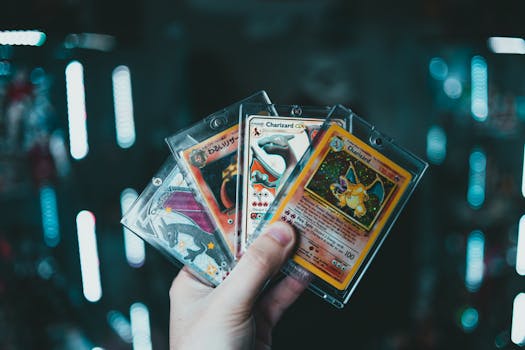
- Competitive Viability: The competitive battling community is abuzz with the implications of the updated Kanto roster. With the addition of Abilities, old favorites are getting massive buffs. For instance, the possibility of a Charizard with the "Blaze" ability holding a Charcoal item makes it a significantly different threat than it was in 1996.
- Shiny Hunting: The inclusion of the modern shiny Pokémon mechanics (which were absent in the original Game Boy games due to hardware limitations) has sparked excitement. Players are already planning their Shiny Charmander hunts, knowing the odds are a vastly improved 1 in 8,192.
- Visual Purists: A vocal minority has expressed mild disappointment that Game Freak did not opt for a complete top-down 3D overhaul, choosing instead to stick closely to the 2D sprite style of Ruby and Sapphire. However, this sentiment is largely overshadowed by the general goodwill toward the project.
The introduction of the Sevii Islands has also been a hot topic. While some purists argue that any addition to the original Kanto formula is unnecessary, the majority of players welcome the post-game content. The original Red and Blue were notorious for having virtually nothing to do after defeating the Elite Four, save for a brief trip to Cerulean Cave. The promise of a sprawling post-game island chain adds a level of longevity that the originals severely lacked.
Looking Ahead
The immediate future of the Pokémon franchise hinges heavily on the success of FireRed and LeafGreen. If these remakes perform as expected—and industry projections indicate they will shatter sales records—they will solidify the "remake model" as a permanent pillar of Game Freak's business strategy. We can almost certainly expect to see Game Boy Color titles Pokémon Gold and Silver receive the same treatment on the GBA or its successor within the next few years.
Looking at the broader ecosystem, FireRed and LeafGreen will breathe new life into Pokémon Ruby and Sapphire. Retail analysts predict a noticeable spike in used and new sales of the 2002 titles as players rush to complete their National Dexes and engage in cross-game trading. The bundled Wireless Adapter will also foster a resurgence of local multiplayer trading and battling in schoolyards and college campuses, reinforcing the social fabric that made the franchise a global phenomenon in the first place.
Furthermore, this release perfectly positions Nintendo for the upcoming launch of the Nintendo DS. While FireRed and LeafGreen are native Game Boy Advance titles, the DS features a GBA cartridge slot. Early adopters of the dual-screen handheld will likely use these Pokémon games as their primary time-sink while waiting for the inevitable DS-native Pokémon generation. By locking the Kanto Pokémon into the GBA architecture now, Game Freak is ensuring a smooth, populated player base ready to migrate to the next generation of hardware when the time comes.
Pokémon FireRed and LeafGreen are more than just a trip down memory lane. They are a necessary evolution, a strategic masterclass, and a love letter to the fans who started it all. When trainers finally pick up their Game Boy Advances next year to hear that iconic Professor Oak introduction in full, vibrant sound, it won't just be the start of a new adventure—it will be the reconciliation of Pokémon's past and its future.