Stop treating every level the same. In Tile Land: Triple Match, your first-hour decisions determine whether you hit a paywall at level 15 or cruise comfortably to level 50+. The game presents itself as pure relaxation—tap three matching tiles, clear the board, unlock pretty pictures—but beneath the soft colors and parrot companion hides a resource economy that punishes careless tapping. This guide shows you where the tutorial stops explaining and the real game begins.
The Anti-Obvious Truth: Speed Kills Your Run
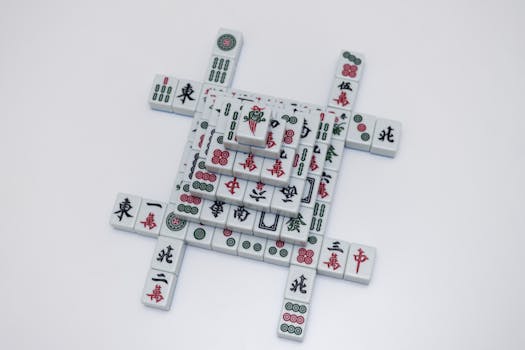
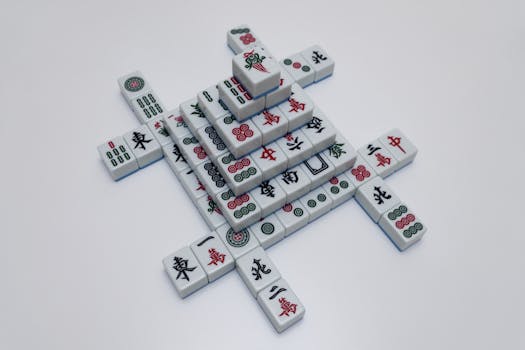
Most match-3 veterans assume faster play equals better results. In Tile Land, the opposite holds. The game rewards deliberate sequencing, not quick pattern recognition. Here's why: tiles stack in multiple layers, and early matches can bury critical pieces under inaccessible depths. A hasty triple match at 0:30 can deadlock you at 2:30 with no legal moves remaining.
The hidden variable is layer priority. Lower-layer tiles become visible only when upper tiles clear. If you match three surface-level flowers immediately, you might never reach the single parrot tile trapped three levels down. That parrot becomes your fail condition.
| What Feels Right | What Actually Works |
|---|---|
| Match the first visible triple you see | Scan the full board, identify deepest critical tiles first |
| Clear quickly to build "momentum" | Pause between matches to reassess layer exposure |
| Use shuffle power-ups early when stuck | Save shuffles for confirmed deadlocks, not mild inconvenience |
The tutorial never teaches layer triage. It shows you how to match, not when to match. Treat the board like an archaeological dig: you want systematic exposure, not random excavation.
Currency Traps the Game Won't Flag
Tile Land offers two purchasable currencies: coins and power-up packs. The store presents these as convenience purchases, but the real economy runs on level failure accumulation. Each failed level drains your limited "hearts" or attempts, and the refill timer pushes toward spending. Here's the asymmetry most players miss:
- Buying coins early (levels 1–20) wastes money because puzzle complexity remains low enough that patience solves boards
- Not buying coins late (levels 40+) creates artificial difficulty spikes where power-ups become nearly mandatory
The trade-off: early spending buys speed, late spending buys progress. Speed doesn't matter. The gallery unlocks are cosmetic; there's no leaderboard, no competitive pressure. A player who fails level 18 three times but refuses to spend learns the layer-priority skill that carries them through level 80. A player who coins through level 18 hits a genuine skill wall at level 45 with depleted resources and worse pattern recognition.
Decision shortcut: Set a personal rule—no purchases until you've failed the same level five times with deliberate play. Not five quick retries. Five slow, analyzed attempts where you tracked which tiles remained buried. If you're still stuck, then consider whether the game design pushed you there intentionally.
The Parrot Companion: Decoration or Mechanic?
The parrot isn't merely cute window dressing. It functions as a progressive hint system that the game never explains. After extended idle time, the parrot highlights a valid match. Early players interpret this as "help when I'm stuck." Experienced players recognize it as a cooldown-dependent crutch that resets based on inactivity, not difficulty.
This matters for session pacing. If you play in five-minute bursts, the parrot activates frequently, masking your need to develop independent scanning skills. If you play in twenty-minute focused sessions, you outpace the parrot's cooldown and force yourself to improve. The game subtly trains dependency in casual players and competence in committed ones.
Practical implication: Your first hour should include at least one uninterrupted 15-minute session. Not because the game demands it, but because you need to calibrate your own vision against the parrot's assistance. If you can't locate matches without the bird's help after an hour, you're playing too fast, not too poorly.
Daily Rewards and the Compulsion Loop
The "Gentle Rewards" marketing isn't wrong, but it obscures structure. Daily puzzles offer disproportionate currency relative to standard levels. Missing a day doesn't penalize you directly, but the opportunity cost compounds: a player who checks in daily for two weeks accumulates enough free power-ups to bypass several difficulty spikes. A sporadic player hits those same spikes with empty pockets.
However—and this is the non-obvious trade-off—daily engagement also accelerates burnout. The game's relaxation promise depends on optional play. Daily rewards create subtle obligation. If you're playing to not "waste" your streak, you're no longer playing for calm.
| Player Type | Best Approach |
|---|---|
| 10 min/day commuter | Embrace dailies, ignore main progression pressure |
| Weekend binger | Skip dailies entirely; buy power-ups selectively if needed |
| Completionist | Dailies until gallery threshold, then deliberate disengagement |
The gallery itself—those "stunning world scenery" unlocks—serves as the completionist hook. Early levels unlock quickly, creating dopaminergic reward density. Later levels slow dramatically. Recognize that the visual payoff curve is deliberately front-loaded to establish habit before revealing grind.
Your Next Three Decisions
After reading this, your immediate choices matter more than any long-term plan:
- Restart your current level if you've made hasty matches. The sunk cost of 90 seconds beats the resource cost of a failed run. Apply layer-priority scanning from the first tile.
- Check your power-up inventory before starting the next level. If you have shuffles saved, commit to not using them unless you've identified the specific buried tile causing deadlock. Random shuffling destroys information.
- Set a session timer, not a level goal. "I'll play 12 minutes" beats "I'll beat this level." The latter creates frustration expenditure; the former preserves the game's actual value proposition.
Conclusion
Tile Land isn't trying to trick you, but it is designed to convert relaxation into revenue through impatience. The players who thrive aren't the ones with fastest pattern recognition or biggest wallets. They're the ones who noticed that the parrot's hints have a cooldown, that layer depth matters more than match speed, and that failing five times teaches more than buying through once. Play slow. Play cheap. The gallery will still be there.
Informational Note
This guide reflects gameplay analysis and community observation, not official developer documentation. Individual experiences may vary with updates or regional game versions. No financial, medical, or professional advice is offered herein.