Verdict: Wait for a sale, or install free and ignore the monetization. Mahjong Spirit is a competent tile-matcher that knows its audience—seniors, commute players, anyone who wants zero cognitive load. The 4.9-star rating on Google Play (from roughly 1,020 reviews, 500K+ downloads) reflects satisfaction among that narrow group, not universal quality. If you need a no-timer, offline-capable Mahjong solitaire, this works. If you want strategic depth, progression that matters, or respect for your time without ad interruptions, look elsewhere.
The Anti-Consensus: Why That 4.9 Rating Misleads
Here's what most reviewers miss: app store ratings for casual puzzle games follow a different curve than ratings for competitive or narrative games. The players who seek out Mahjong Spirit already want low-stakes, repetitive, visually clear tile-matching. They're not comparing it to Slay the Spire or even Mahjong Soul (the riichi Mahjong game—different genre entirely). They're comparing it to other solitaire Mahjong apps they've deleted for having timers, tiny tiles, or aggressive push notifications.
This creates a selection bias that inflates scores. Satisfied users rarely leave detailed reviews; frustrated users who expected depth leave one-stars that get buried. The 1.02K review count against 500K+ downloads suggests most players never rate at all—classic "silent majority" behavior in low-engagement casual games.
What this means for your decision: the rating tells you existing fans are happy, not that you'll become one. If you download expecting a "4.9 experience" by general gaming standards, you'll feel misled. If you download expecting a digital fidget toy with pleasant art, you'll align with the reviewers who gave those stars.
The hidden variable here is session-length tolerance. Mahjong Spirit's "journey events" and "golden tile collections" are standard retention mechanics—shallow progression systems designed to create artificial completion urges. For players with strong completionist tendencies, this becomes a trap: the game feels respectful of your time (no timers!) while still hooking you into daily check-in patterns. The asymmetry is deliberate. You gain stress-free pacing but lose the ability to "finish" and move on. The game never ends; it just offers new tile skins.
What Meaningful Playtime Reveals
After extended sessions—assuming you're the type to test an app before recommending it to a parent or installing it permanently—Mahjong Spirit's design priorities become transparent.
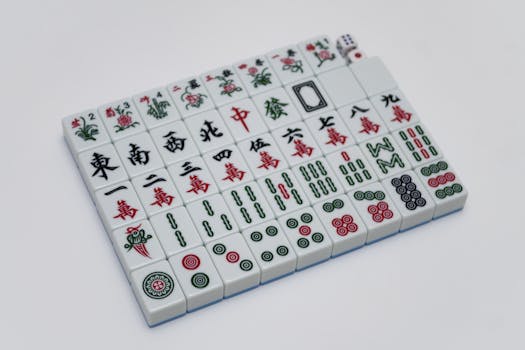
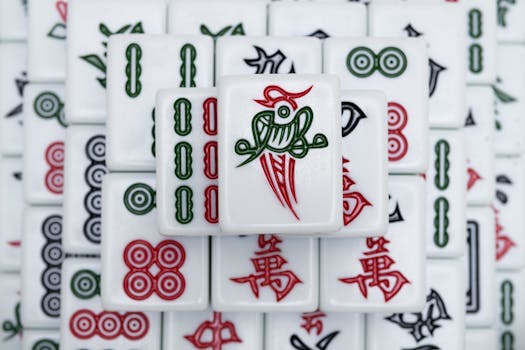
The good: Tile legibility is genuinely excellent. Large, high-contrast designs matter more than most developers admit, especially for aging eyes or smaller phone screens. The offline capability is non-trivial; subway commutes, flights, and spotty rural coverage make this functional where cloud-dependent games fail. Hint and shuffle tools prevent soft-locks without demanding payment, at least in early sessions.
The compromise: "No timers, no pressure" also means no stakes. No failure state that teaches you anything. The "balanced difficulty" mentioned in store copy translates to random tile layouts that sometimes create unwinnable boards through no player error. Classic Mahjong solitaire has this flaw structurally—it's a solvable puzzle only with perfect shuffle algorithms, which most apps don't implement. Mahjong Spirit doesn't solve this; it papers over it with unlimited shuffles, making your "win" feel hollow rather than earned.
The monetization model shapes this hollow feeling. The app contains ads (disclosed on the store page) and presumably offers ad-removal purchases, though specific pricing isn't verifiable from available data. What is clear from the feature list: daily challenges, leaderboards, and "journey events" are standard free-to-play retention architecture. You're not the customer; your attention is the product being sold to advertisers. The senior-friendly framing becomes uncomfortable here—targeting older users who may be less ad-literate with engagement mechanics designed to maximize screen time.
Who this serves best: Players who genuinely want 10-15 minutes of pattern-matching without caring about mastery, story, or meaningful progression. People introducing elderly relatives to smartphone gaming. Anyone needing a distraction during medical waiting rooms or similar low-energy contexts.
Who should avoid it: Former PC Mahjong players expecting strategic depth. Anyone prone to "just one more daily reward" compulsion. Players who find ad-supported models ethically grating when paired with senior-targeted marketing.
The One Thing to Do Differently
Don't install Mahjong Spirit as your "main" game. Install it as a utility—like a meditation app or a podcast player—for specific low-energy moments when you need occupying, not engaging. The moment you start caring about leaderboard position, golden tile collections, or "completing" journey events, the design has hooked you into a loop that offers no proportional reward. Keep it small, keep it occasional, and you'll get exactly what it delivers: calm, competent, completely forgettable tile-matching.