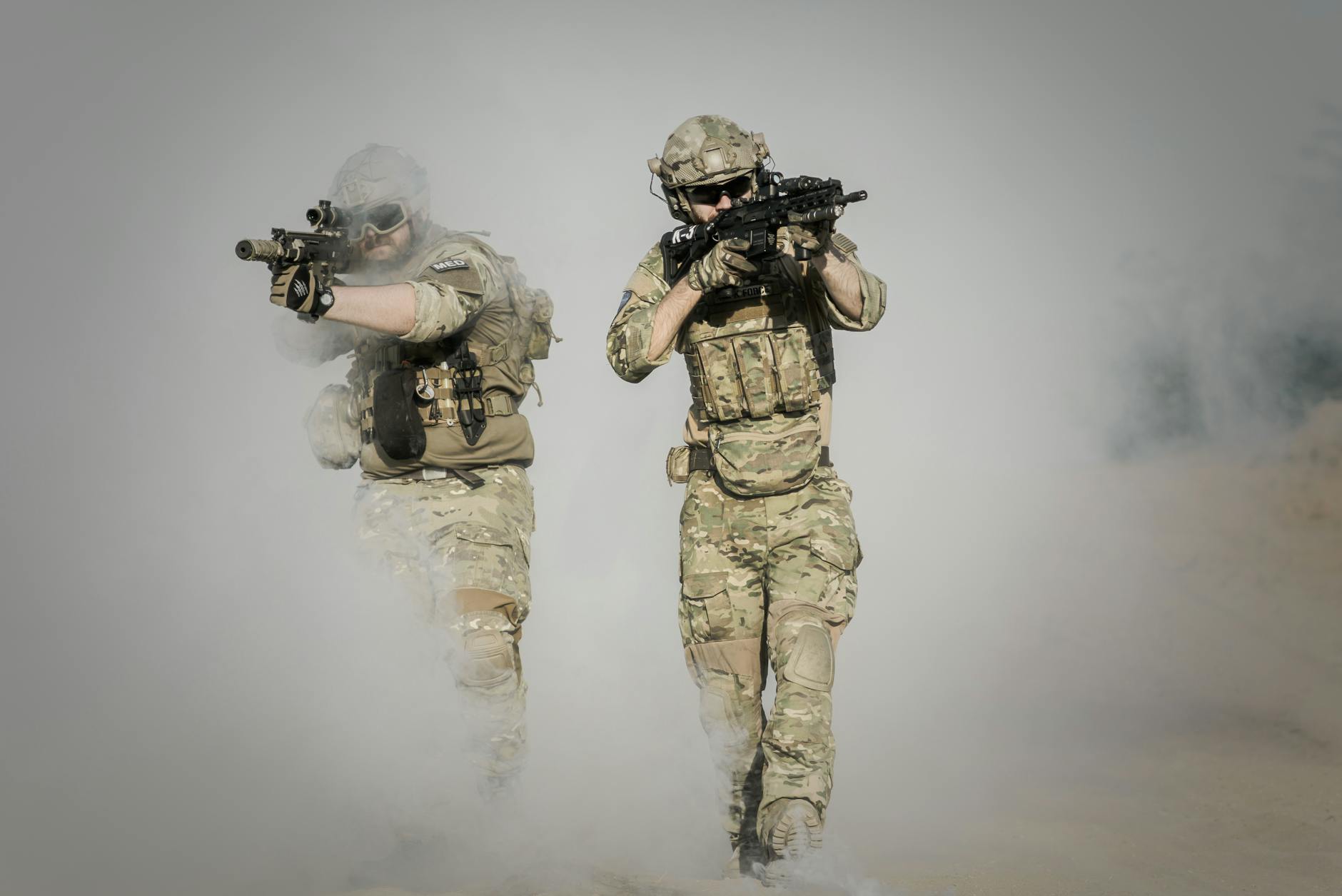
Evony: The King’s Return has spent years oscillating between a traditional empire-builder and a vehicle for celebrity-endorsed spectacle. If you look at the app right now, it bills itself as "the hottest real-time strategy MMO of 2024," but the actual onboarding experience has shifted heavily toward top-down survivor shooter mechanics. It is a strange, effective hybrid: one minute you are moving a character to dodge enemy fire and evolve weapons, the next you are managing resource tiles as a Governor.
TG Inc. is running a dual-engine strategy. It is acquiring users through highly replayable, bite-sized puzzle and shooter levels, then funneling them into a persistent, alliance-driven world map. Understanding how these two halves interact—and where the pressure points are—is the only way to evaluate the game’s current momentum. [STATUS: DONE]
The Actual Update: Hybridizing Survivor Shooters with Empire Building
The game currently maintains a 4.1-star rating across more than 826,000 reviews on the Google Play Store, with over 100 million downloads. Those numbers are massive for any mobile title, let alone one that has been running since 2016. What is driving sustained traffic now is the "Survivor Levels" integration.
This is not just a reskinned tutorial. The current gameplay loop explicitly asks players to "Move, dodge, shoot, acquire weapons, and fight to the last moment." This is the Vampire Survivors-style roguelite loop mapped onto an MMO framework. Players use flexible finger controls to navigate enclosed arenas, defeat waves of enemies, and evolve their weaponry. It functions as both a standalone mini-game and a resource acquisition pipeline for the broader empire game.
The strategic rationale is transparent: the survivor-shooter genre is incredibly sticky right now. By bolting it onto the city-builder core, Evony captures an audience that might otherwise bounce off a traditional 4X strategy game, then slowly introduces them to the MMO mechanics that drive long-term retention and, crucially, monetization.

Verified Context: The 7-Civilization 4X Foundation
Beneath the shooter mechanics, the structural core of the game remains intact. You are still building cities, training troops, and expanding an empire across seven distinct kingdoms. The game offers seven architectural and cultural styles: American, Chinese, European, Russian, Korean, Arabia, and Japanese. These are not purely cosmetic; they influence the visual layout of your empire and, historically in the game’s lifecycle, provide different starting advantages for resource management.
The MMO features operate on a macro level. The "Diplomat" system is the game’s social backbone, pushing players into alliances. The system includes real-time voice and text communication with auto-translation. The friction of language barriers in global MMOs is a massive churn driver, so the built-in auto-translation is a deliberate retention lever for cross-border alliances.
Combat relies on four primary troop types, ranging from ground infantry to siege engines. Battles play out in real-time on a world map. Players act as the "Warlord" directing these troops, the "Governor" managing city resources and research, and the "Monarch" recruiting historical generals.

Implications for Players: The Generals and the Grind
The Monarch system is where the game’s monetization pressure becomes most apparent. You recruit famous historical figures—Abraham Lincoln, George Washington, King Arthur, Charles the Great, Julius Caesar, Genghis Khan, Oda Nobunaga, and Yi Sun-sin. These are not just cosmetic avatars. They provide tangible buffs to battles and city development. Capturing enemy generals adds a layer of psychological warfare to PvP.
The implication for the average player is a split-decision path. The game is perfectly playable as a single-player survivor shooter and puzzle solver. However, advancing past the mid-game without engaging deeply with the alliance and PvP systems is functionally impossible. If you are drawn in by the survivor levels, expect a hard pivot toward alliance management and resource defense. That pivot is the primary source of player friction.
For new players, the early game is generous. For returning players, the density of overlapping progression systems—survivor levels, troop upgrades, general recruitment, city management—can feel like a wall. You have to specialize. A generalist approach, trying to level all troop types and all generals equally, is the fastest way to stall out.

What is Still Unknown
Because the survivor-shooter integration is relatively new, the long-term economic balance is opaque. How the resources generated from these bite-sized levels scale against the resource demands of end-game alliance wars is still being calibrated by the developers. If the survivor levels generate too much value, it devalues the traditional city-building aspect. If they generate too little, they become a tedious distraction.
Additionally, the extent to which the game relies on random items in its monetization model is noted in the store listing ("In-Game Purchases (Includes Random Items)"), but the exact drop rates for high-tier historical generals and the true cost to acquire them remains a black box. The game is rated for players 7 and up for Mild Violence, but the economic complexity—and the psychological pressure of in-app purchases in a competitive MMO environment—is significantly more mature than the rating suggests.

What to Watch Next
Watch the game's store description and feature list for further integration of mini-games. TG Inc. has demonstrated a willingness to radically alter its user acquisition strategy based on genre trends. If another hyper-casual genre supplants the survivor-shooter format in popularity, Evony will likely adopt it.
For players, the key metric to watch is alliance health. The game’s core loop is designed to funnel you into a team. If the survivor mechanics successfully populate the game with new players, but those players refuse to engage with the alliance system, the mid-game map will hollow out. If you are considering returning to the game, look at the recruitment boards of top alliances before investing time; active, communicative alliances are the only reliable signal of a healthy server.
Evony has survived this long by refusing to stay in one lane. It is an empire builder, a survivor shooter, a puzzle game, and a historical gacha simulator. The hybrid model works for user acquisition, but whether it creates a sustainable long-term community is still an open question.