XCOM is getting an official miniatures game from Modiphius, the studio behind the tabletop adaptations of Fallout and Skyrim. Unveiled during Firaxis's 30th anniversary, the project currently consists of a teaser site using the Enemy Unknown art style. While exact mechanics remain unannounced, Modiphius's history points toward a system heavily focused on campaign progression, granular cover mechanics, and strong solo or cooperative play options. If you are desperate for a new tactical challenge in this universe, this physical adaptation is your next major focal point.
Why a Physical XCOM Makes More Sense Than You Think
Players often view video-game-to-board-game adaptations as cynical merchandising. You see a familiar logo slapped onto a box of plastic and assume it is a shallow cash grab. The reality for XCOM is entirely different. XCOM is already a tabletop game wearing a digital trench coat. The underlying systems—grid-based movement, half-cover versus full-cover modifiers, strict action point economies, and percentile-based hit chances—are directly lifted from classic wargaming. Translating Firaxis's code back into physical dice and measuring tape is not a stretch. It is a homecoming.
This physical translation solves a massive psychological problem inherent to the digital game: the perceived unfairness of the random number generator (RNG). Missing a 95% shot in a video game feels like the computer cheated you. The machine did the math behind a curtain and decided you lose. Missing a 95% shot on a physical tabletop feels like a tragic, hilarious fluke because you rolled the dice. You physically threw the critical failure. This asymmetry in player psychology completely changes how you experience failure. Permadeath hurts less when you can see the physical dice betray you.
The teaser site specifically uses the logo style from XCOM: Enemy Unknown. This is a massive hint about the pacing we can expect. XCOM 2 forced aggressive, momentum-heavy play through strict turn timers and concealment mechanics. Enemy Unknown was a slower, highly defensive tactical puzzle built around leapfrogging through cover and setting up Overwatch traps. A tabletop format naturally favors the latter. Tracking turn timers and highly mobile, map-spanning grapple movements in a physical space often bogs down gameplay. A grounded, methodical firefight against Sectoids and Mutons fits the medium perfectly.
You should also consider the strategic layer. XCOM is never just about the skirmish. The base building, research trees, and soldier progression define the experience. Modiphius has built its reputation on campaign-style tabletop games. The expectation here is not just a one-off arena battler, but a persistent campaign where your plastic snipers earn nicknames, suffer permanent scars, and equip newly researched plasma rifles over a series of linked game nights.
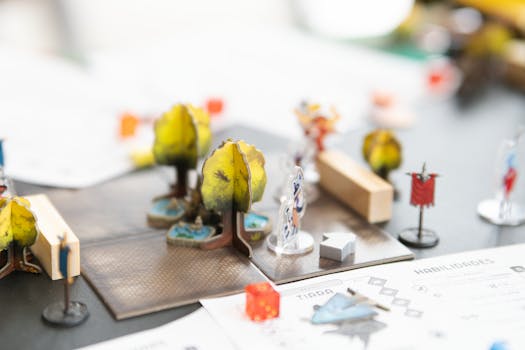
Deciphering the Modiphius Blueprint: What to Expect
To understand what you are actually signing up for, you have to look at Modiphius’s track record. They do not make lightweight, beer-and-pretzels board games. They build heavy, token-rich simulations. Titles like Fallout: Wasteland Warfare and Skyrim - The Adventure Game reveal a very specific design philosophy. They prioritize deep narrative integration and highly capable artificial intelligence systems that allow for solo and cooperative play.
The trade-offs in a Modiphius design are stark. You gain incredible narrative depth and campaign progression. You lose the frictionless speed of a digital CPU handling the math. In Fallout: Wasteland Warfare, enemies operate using a complex AI card matrix. When a Super Mutant activates, you draw a card, check its current status, measure the distance to the nearest target, and follow a flowchart to determine if it shoots, charges, or takes cover. This system makes PvE (Player vs. Environment) tabletop gaming incredibly rewarding. You do not need a human opponent to play the aliens. The game runs itself.
However, that automation comes with severe administrative upkeep. The bottleneck for new players is rarely the tactical decision-making; it is the physical token management. You are the computer. You have to track suppression, poison, panic, action points, and ammo capacity using physical cardboard chits. If you are coming directly from PC strategy gaming, this rules bloat can feel overwhelming. You will spend your first few sessions just learning how to operate the game's internal logic before you can actually start outsmarting the alien AI.
We also do not know yet if this will be a grid-based board game (like the upcoming Doom Arena) or a free-measure miniatures game (like Fallout). Given XCOM's strict reliance on flanking angles and line-of-sight, a grid-based system with modular map tiles makes the most mechanical sense. Free-measuring with tape measures often leads to arguments about whether a model is truly in cover or just slightly peeking out. A grid eliminates that ambiguity. If you want a seamless tactical puzzle, hope for a grid.

Preparing for Deployment: Where to Focus Your Attention
Before you invest emotional energy or future budget into this release, you need to evaluate your physical gaming habits. Miniatures games demand a completely different type of commitment than a Steam download. The barrier to entry is not just financial; it is spatial and temporal.
First, consider the hobby aspect. Most games in this genre require assembly. You will likely need plastic clippers, super glue, and patience just to build your squad before you can play a single mission. Painting is optional, but unpainted gray plastic fighting over a cardboard map loses some of the immersion. If you have no interest in the physical craft of miniature building, you need to factor in the time it will take to get the game table-ready.
Second, evaluate your playgroup. Modiphius games are notoriously excellent for solo players. If your regular gaming group is flaky, an XCOM tabletop game with a strong AI deck might be the perfect solo campaign experience. You can leave the campaign set up on a side table and play a turn whenever you have free time. If you are looking for a highly competitive, perfectly balanced 1v1 tournament game, this adaptation might not fit the bill. The DNA of XCOM is inherently cooperative survival against overwhelming, asymmetrical odds.
If you want to practice the mechanical feel of tabletop cover shooters right now, look at existing skirmish games. Kill Team offers a masterclass in line-of-sight and concealment mechanics, forcing you to think carefully about positioning. Core Space provides a brilliant example of how a sci-fi tabletop game handles persistent campaigns, gear scavenging, and escalating enemy threat levels. Playing these will train your brain to see tactical angles in physical space, preparing you for whatever ruleset Firaxis and Modiphius eventually reveal.

The Final Verdict on the XCOM Miniatures Game
Do not write this off as a mere placeholder while waiting for a digital sequel. Treat this upcoming release as a serious tactical investment that will require physical table space, assembly time, and a willingness to manage complex AI flowcharts. If you can accept the heavy administrative upkeep of running the game engine yourself, this tabletop adaptation offers the exact methodical, high-stakes campaign progression that made the original franchise legendary.