STALKER 2 Heart of Chornobyl Wiki - Complete Guide
Game Overview
S.T.A.L.K.E.R. 2: Heart of Chornobyl is a first-person immersive sim and survival shooter developed and published by GSC Game World. Released on November 20, 2024, the game serves as a highly anticipated, direct sequel to the acclaimed S.T.A.L.K.E.R. trilogy that began with Shadow of Chernobyl in 2007. Built from the ground up on the proprietary Unreal Engine 5, Heart of Chornobyl represents a generational leap for the franchise, bringing the haunting, atmospheric Zone of Alienation to life with unprecedented graphical fidelity, interactive physics, and sheer scale.
The game is a strict single-player experience, continuing the series' tradition of avoiding multiplayer modes in favor of a deeply personal, isolated journey through a hostile environment. It is available on PC and Xbox Series X/S, and is notably included in the Xbox Game Pass catalog from day one. The development of S.T.A.L.K.E.R. 2 was a turbulent saga in itself, surviving a temporary cancellation, multiple engine changes, a cyberattack that leaked early builds, and the very real, ongoing invasion of Ukraine by Russia, which forced the Kyiv-based studio to relocate and continue development under incredibly difficult circumstances.
Core Systems
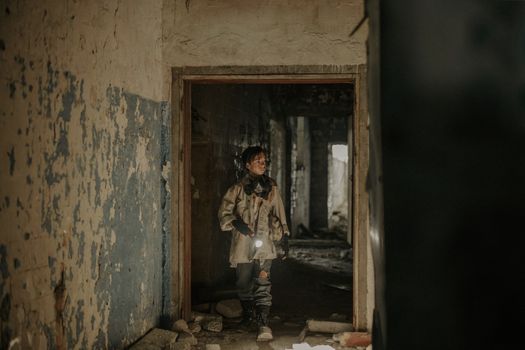
S.T.A.L.K.E.R. 2 is defined by its intricate intertwining of survival mechanics, ballistics, and sandbox freedom. It refuses to hold the player’s hand, instead relying on a web of systemic gameplay loops that make every excursion out of a safe haven feel like a calculated risk.
Ballistics and Combat
The combat in Heart of Chornobyl is punishing, methodical, and highly lethal. The game utilizes a complex ballistic system where bullet physics are heavily simulated. Ammunition is categorized into distinct tiers based on its condition and type. Using corroded, low-tier ammo found on dead bandits will result in poor accuracy and reduced damage against armored targets, whereas pristine, military-grade rounds can punch through cover and body armor with ease. Gun maintenance is mandatory; weapons degrade rapidly through use and environmental exposure, leading to jamming, misfires, and ultimately breakage if not regularly cleaned with gun oil and repair kits. Suppressors also have a finite lifespan, degrading with each shot until they no longer mask the sound of gunfire.
Survival Mechanics
The Zone is actively trying to kill you, even when there are no enemies around. Players must manage a multi-tiered survival system that tracks hunger, thirst, sleep deprivation, and radiation exposure. Failing to eat or drink results in steadily degrading stamina and health regeneration. Sleeping is required to reset stamina limits and maintain mental acuity. Radiation is a constant threat, emitted by artifacts, anomalies, and certain environmental hazards. To survive, players must equip anti-radiation gear, carry radiation-blocking drugs, and consume vodka or specialized antidotes to flush radiation from their system. Bleeding is also a persistent danger; if a player takes a bullet or gets caught in an anomaly, they must apply bandages quickly or risk bleeding out miles away from safety.
The A-Life 2.0 System
Perhaps the most ambitious technical achievement in S.T.A.L.K.E.R. 2 is the A-Life 2.0 simulation system. Unlike traditional games where enemies only spawn when the player enters a specific radius, A-Life 2.0 operates continuously in the background across the entirety of the 64-square-kilometer map. Mutants hunt for food, faction squads patrol their territories, stash locations are dynamically generated and looted by other stalkers, and entire firefights can occur miles away from the player without any scripting. When you stumble upon a battlefield, you are seeing the aftermath of an organic, system-driven conflict, not a staged set piece. This creates a deeply unpredictable world where no two playthroughs are alike.
Economy and Progression
The economy is built around the "Zone economy," a barter-and-bullet system. Cash (Coupons) is useful, but often secondary to the value of physical goods. Traders operate out of major hubs and accept artifacts, mutant parts, and contraband in exchange for weapons, ammo, and medical supplies. Progression is largely horizontal rather than vertical. You do not become an invincible superhero; instead, you gain access to better gear, deeper pockets (via artifact containers and upgraded backpacks), and a more nuanced understanding of the world's mechanics. Weapon customization allows players to attach scopes, suppressors, foregrips, and alternate barrels, tailoring firearms to specific combat scenarios.
Characters / Classes / Factions
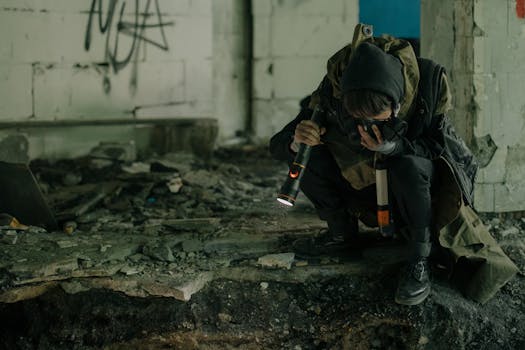
While S.T.A.L.K.E.R. 2 does not feature traditional RPG classes, player identity is heavily shaped by the protagonist's background and the intricate faction system that dictates the Zone's political landscape.
The Protagonist: Skif
You play as Skif (real name Igor), a former mercenary who arrives in the Zone seeking answers regarding a mysterious energy emission that decimated his squad during a seemingly routine job. Skif is not a silent protagonist; he is vocal, pragmatic, and deeply affected by the horrors of the Zone. He is a blank slate in terms of morality, allowing the player to shape his personality through dialogue choices and actions, but his underlying motivation—finding out what happened to him—drives the core narrative forward.
Major Factions
The Zone is a fractured warzone controlled by several distinct ideological groups. As Skif, you can align with certain factions to gain access to exclusive gear, safe houses, and storyline branches.
- Loner Stalkers: Independent mercenaries, scavengers, and adventurers who answer to no one. They are the most common sight in the Zone, prioritizing personal survival and profit. Skif begins his journey as a Loner.
- Duty: A paramilitary organization obsessed with destroying the Zone. They believe the alienation is a cancer upon the Earth and view mutants and artifact hunters as part of the problem. They wear distinctive red-and-black armor and utilize heavily modified, rugged weaponry.
- Freedom: The ideological antithesis of Duty. Freedom is an anarchist faction that believes the Zone is a gift to humanity, a place free from the oppressive control of governments and corporations. They focus on preserving the ecosystem and ensuring free access to the Zone's mysteries, often clashing violently with Duty.
- Monolith: A terrifying, brainwashed cult of fanatics who fiercely guard the center of the Zone—the Chernobyl Nuclear Power Plant. They do not trade, do not surrender, and possess some of the most advanced, pristine weaponry in the game. They view outsiders as heretics to be exterminated.
- Bandits: Criminals, thugs, and outcasts who prey on weaker stalkers. They are poorly equipped but make up for it with sheer numbers, ambush tactics, and a complete lack of morality.
- Ecotologists: Scientists sent by the government to study the Zone. They are non-combatants who hire stalkers to escort them, gather mutant specimens, and retrieve artifacts, offering high-tier scientific equipment in return.
World Building
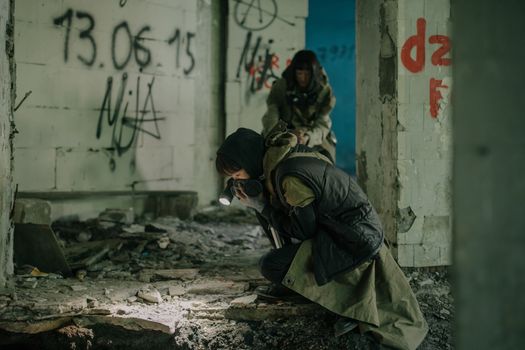
The world of S.T.A.L.K.E.R. 2 is its true main character. GSC Game World has painstakingly recreated a 64-square-kilometer stretch of the Chornobyl Exclusion Zone, blending real-world geography with dark, speculative fiction.
The Zone of Alienation
Following the events of the previous games, the Zone has expanded dramatically—a phenomenon known as the "Great Emission." The area now encompasses not just the immediate vicinity of the power plant, but reaches all the way to the real-world city of Chornobyl, the ghost city of Pripyat, the vast forests of the Red Forest, and the swamps of Zaton. The architecture is a chillingly accurate recreation of Soviet-era brutalism, left to rot and be reclaimed by nature. Every collapsed apartment block, rusting Ferris wheel, and overgrown highway tells a story of a civilization abruptly halted.
Anomalies and Artifacts
The Zone’s physics are broken. "Anomalies" are invisible or semi-visible patches of warped physical laws—gravitational vortexes that crush you, pools of acidic chemicals, and electrical discharges that erupt from the ground. Stalkers use detectors and toss bolts (chunks of metal) ahead of them to trigger anomalies safely. Where there are anomalies, there are "Artifacts"—objects with physical properties that defy science. Some artifacts absorb radiation, others increase carry weight, and some actively heal the user, but they almost always come with a detrimental side effect, like slowly irradiating the owner or draining their stamina. Managing an artifact belt is a crucial part of customizing your build.
Mutants
The radiation and warped physics of the Zone have horrifically mutated the local fauna. Players will face a terrifying bestiary, ranging from packs of hyper-aggressive blind dogs and flesh-eating pseudodogs, to towering, heavily armored monstrosities like the Chimera. The classic Bloodsucker returns, featuring a tentacled face that it reveals only when charging to suck your blood, while remaining nearly invisible when stalking. New mutants, such as the towering, multi-limbed Bayun, introduce new mechanics like auditory hallucinations that disorient the player. Mutants behave according to the A-Life system; a pack of dogs might flee from a superior predator, only to lead that predator directly into your path.
Strategy & Tips
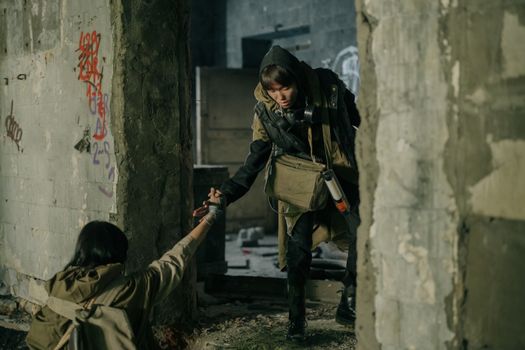
Surviving the early hours of S.T.A.L.K.E.R. 2 is a brutal trial by fire. To avoid becoming just another nameless corpse looted by a passing bandit, you must adopt the mindset of a survivor.
- Sleep Regularly and Manage Weight: Ignoring the sleep meter will eventually cause Skif to pass out in the middle of a hostile area, leaving you completely vulnerable. Always plan your excursions so you can return to a bedroll or safe base before your stamina bottoms out. Furthermore, do not over-encumber yourself. Running at max weight drains stamina instantly and prevents you from sprinting away from danger. Leave room for loot, or invest in upgrades early.
- Never Ignore Your Gun's Condition: A gun at 40% durability is a death sentence. It will jam at the exact moment you pull the trigger to shoot a charging mutant. Make gun oil a higher priority than extra ammunition in the early game. Clean your weapons after every major firefight and swap out severely degraded weapons as soon as you find a better-condition replacement.
- Use Cover Properly: The ballistics system models penetration. Hiding behind a wooden fence or a thin sheet metal wall will not protect you from military-grade rounds. If you are taking fire, prioritize thick concrete walls, earth embankments, or moving to a completely different angle. Conversely, remember this when shooting at enemies hiding behind weak cover.
- Save Your Premium Ammo: You will find different tiers of ammunition. Keep your pristine, armor-piercing rounds for heavily armored targets like Monolith soldiers or Exosuit-wearing stalkers. Use the cheap, degraded ammo you loot from early bandits for mutant hunting and anomaly-bolt throwing.
- Master Anomaly Detection Without the Detector: While detectors are essential for finding artifacts, you should learn to read the environment for anomaly clusters without relying on them. Look for floating debris, swirling dust particles, the sound of crackling electricity, or the visual distortion of heat. Tossing a bolt is a muscle memory skill you must develop to survive the late-game areas where anomalies are densely packed.
- Do Not Hoard Medical Supplies: It is a common beginner mistake to stockpile medkits in the stash and die with a full inventory. Your health can be restored instantly, but you cannot use items if you are dead. Bind your bandages, anti-rad drugs, and medkits to easily accessible hotkeys and use them aggressively the moment you take damage to prevent bleed-out or radiation sickness from compounding.
- Invest in a Good Early-Game Detector: Artifacts are the primary source of high-tier income. As soon as a trader sells a better anomaly detector, buy it, even if it bankrupts you. A better detector allows you to find more valuable artifacts safely, which will pay for itself tenfold within an hour of exploration.
Resources
The world of S.T.A.L.K.E.R. is notoriously cryptic, and the community is one of the most dedicated in gaming history. To fully immerse yourself in the lore or find solutions to the game's most obscure mechanics, consult these essential resources.
- STALKER Wiki (stalker.fandom.com): The definitive repository for lore, faction history, and mutant biology. If you want to know the in-depth backstory of the Strelok or the origins of the C-Consciousness without spoiling Heart of Chornobyl, this is the place. It also features highly detailed breakdowns of weapon stats and upgrade trees.
- Map Genie (mapgenie.io): An interactive, high-resolution map of the Zone. It is invaluable for marking safe houses, traders, stashes, and points of interest. You can filter the map to show only anomaly clusters or specific faction territories, making long-range navigation significantly safer.
- GSC Game World Official Forums & Discord: The official community hubs where developers occasionally post updates, patch notes, and interact with fans. The Discord server is particularly active for organizing community discussions, sharing screenshots, and getting immediate help from veteran players.
- Modding Communities (ModDB / Nexus Mods): While S.T.A.L.K.E.R. 2 is still in its infancy regarding mods, the previous games were kept alive for over a decade by the modding community. Keeping an eye on these sites is essential for future gameplay overhauls, graphical tweaks, and quality-of-life mods that will inevitably shape the game's long-term legacy.
- YouTube Creators (e.g., WG Plays, Force Strategy Gaming): For visual learners, several long-running S.T.A.L.K.E.R. content creators have transitioned to covering Heart of Chornobyl. They provide excellent video essays on the lore, beginner's guide series, and walkthroughs for the game's most challenging main and side missions.